| From 10 to 57 ... |
Monday, 29 June 2026
Star by Star Keeps Shining -- Sheena Wilkinson
Monday, 13 October 2025
Glad to be Hopeful by Anne Booth
I think that being a children's writer is a great help for me as an adult, because the discipline of finding something to be hopeful about is essential for our job. We shouldn't be twee, or superficial, or bury our heads in the sand, but I do think we have to find something hopeful for our child readers.
As soon as I write this I can think of arguments against it - what about funny books which have exaggeratedly negative endings, or the fact that some children find scary books thrilling and comforting, maybe because they remind them that real life isn't all that bad ? Maybe even the presence of humour is enough to give an escape from a difficult present and let hope in, and the thrilling scary books do have hope in that they have heroes and heroines who survive. Beautiful illustrations and typeface and design can also provide something deeply uplifting and positive apart from the narrative, but as a story teller, I do think the narrative itself is very important.
All I know is that I am a bit biased about hope in children's books, because as a child I certainly had a life and a personality where I really needed comfort and hope (and humour and escapism ) in my stories, and I have spoken with teachers who work with looked after children, and they say that they look for stories which are hopeful and comforting, as the last thing the children they work with need is to be re immersed imaginatively in traumatic situations with no happy ending. I would need to do more research, so please take this as a prompt for thought rather than an essay. I know that there is a way of looking at stories in books as mirrors or windows. Mirroring narratives help us see ourselves and our place in the world, and windows help us see others' lives and develop empathy. I still think that in both those models, for both adult and child readers, but especially for child readers, we still need to have Hope, especially in these days, and as a writer, I think it helps us to put Hope in our narratives.
I remember some years ago reading the present Children's Laureate, Frank Cottrell Boyce, saying that there was a need for more Utopian fiction, for imagining better futures, better societies, and as a writer I love that idea, for my own self, not only the children I write for. I have to live in the world and in the worlds I write, and personally, it helps me to put Hope into my stories, so that after working on a story with Hope in it, I can put down my pen or close my laptop and look back into the world I live in, and recognise in 'real life' the Hope which always existed but which rolling traumatic world news makes hard to find sometimes. These days there are just too many bad news stories about, but it helps me to remember (and I think it is essential for children and many adults to be taught) that even the news is written - that we are getting narratives which serve the narrators - and hateful or hopeless narratives are no more true than relentlessly positive, head-in-the-sand ones. There is a sweet spot where we recognise that the world is full of good and bad things, and that there definitely ARE bad things, (which as children's writers, if we need to present them, we must present in age appropriate ways) but fundamentally, love is stronger than the bad things, and endures. That's the happy ever after bit, the thing we hope for, because we know deep down that is true.
So I have to get on now - my own hopeful story is that I am on a part-time MA in Children's Book Illustration. I had to take a year off for various reasons, but I am back on the course now, and it really is giving me Hope to be studying alongside the other students, and to be immersed in such a wonderful world. I am also illustrating a picture book at the moment, and I hope very much that anyone who reads it feels more hopeful at the end. I must go and do some work, as I only have two days before I present it again at our weekly tutorials, and I have to hope that it will be good enough by Wednesday!
I hope everyone has a good day.
Saturday, 13 January 2024
January Jottings by Sheena Wilkinson
Last month I wrote about St Lucy’s Day, and the importance of finding light in the darkness. Since then we have had the winter solstice, Christmas, that weird liminal week of Sundays, and then, with a little sigh of relief or regret, the turn of the year.
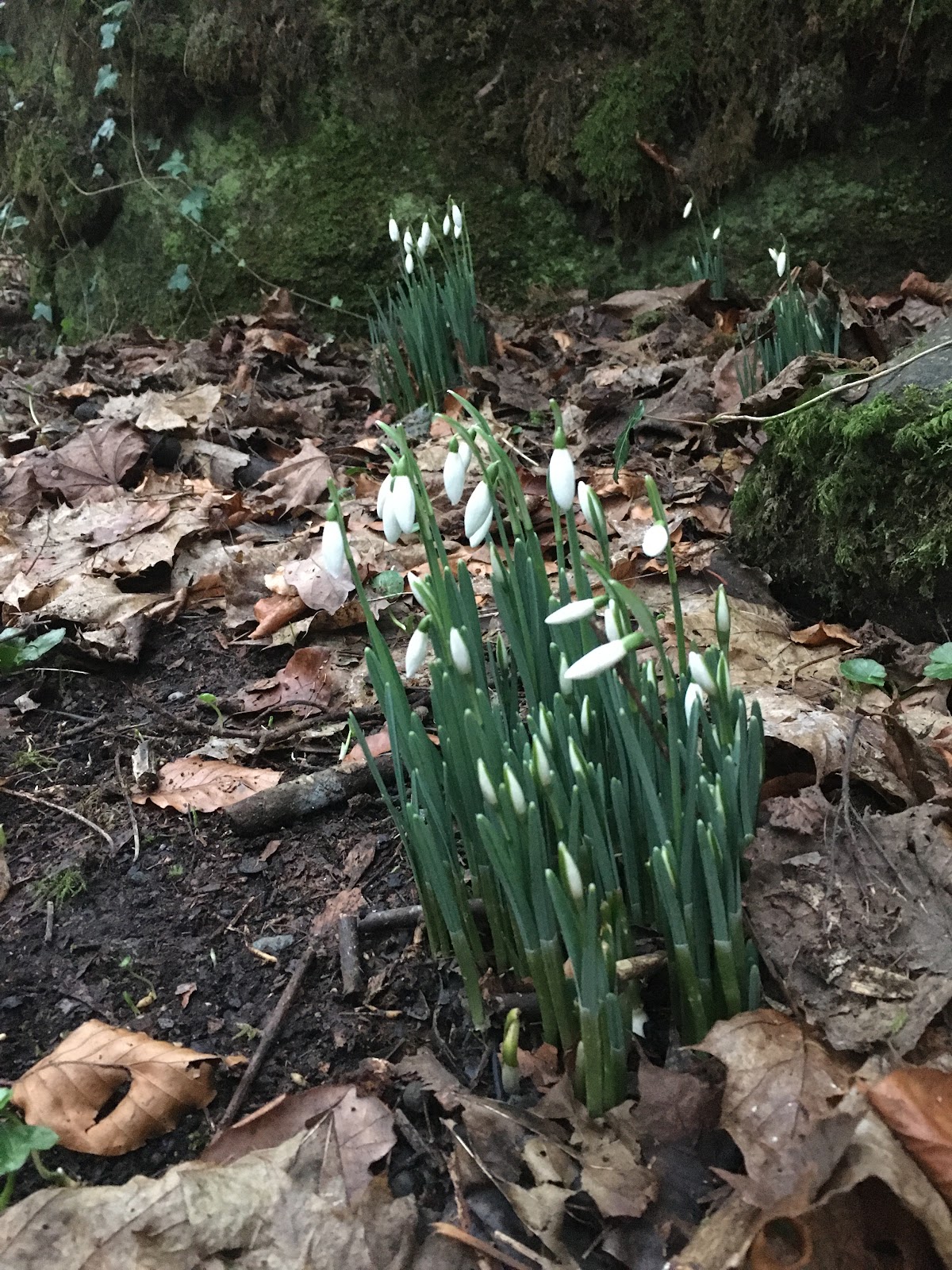
last year's leaves protecting this year's snowdrops
And now it is January, that dark everlasting month. A month of regrets about Christmas over-eating and over-spending; of having to do all the things you put off at the back end of last year because you were too busy being Christmassy; of resolutions made and broken; perhaps, eventually, of acceptance that winter (with a house full of wine and Quality Street and giant Toblerones) mightn’t be the best time to cut out booze/sugar/carbs. Maybe March – for centuries the first month in the calendar – would be kinder?
You know, in January, that however bad the weather has been in December (in this case, ceaseless rain and flooding), it is only going to get worse. After all, ‘as the day lengthens, the cold strengthens.’ And when we turn our horrified eyes to world events, it would be disingenuous not to be concerned that, bad and all as 2023 was, 2024 isn’t showing any signs of improvement.
In spite of all that, I rather like January. I like the snowdrops. I like knowing that even if (when) I break my resolutions (mostly regarding eating less), there are still eleven months ahead in which to start again. And I like wondering what new opportunities there might be professionally. At the moment I’m finishing the first draft of the sequel to last year’s Mrs Hart’s Marriage Bureau; waiting for the edits on my new children’s historical novel, which will be published this autumn, and looking forward to the UK paperback release (in a shiny new design) of Mrs Hart at the end of March. I’ll enter some short story and memoir competitions too, and work on some new book ideas. In January, everything feels possible. And in my diary I have two conferences booked – ‘Twentieth-Century Schoolgirls and their Books’ and the Romantic Novelists’ Association conference, both in August. So it’s a time of hope, even though August feels ages away – ‘unimaginable/zero summer’ as Eliot puts it.
spring colours for the new paperback of Mrs Hart
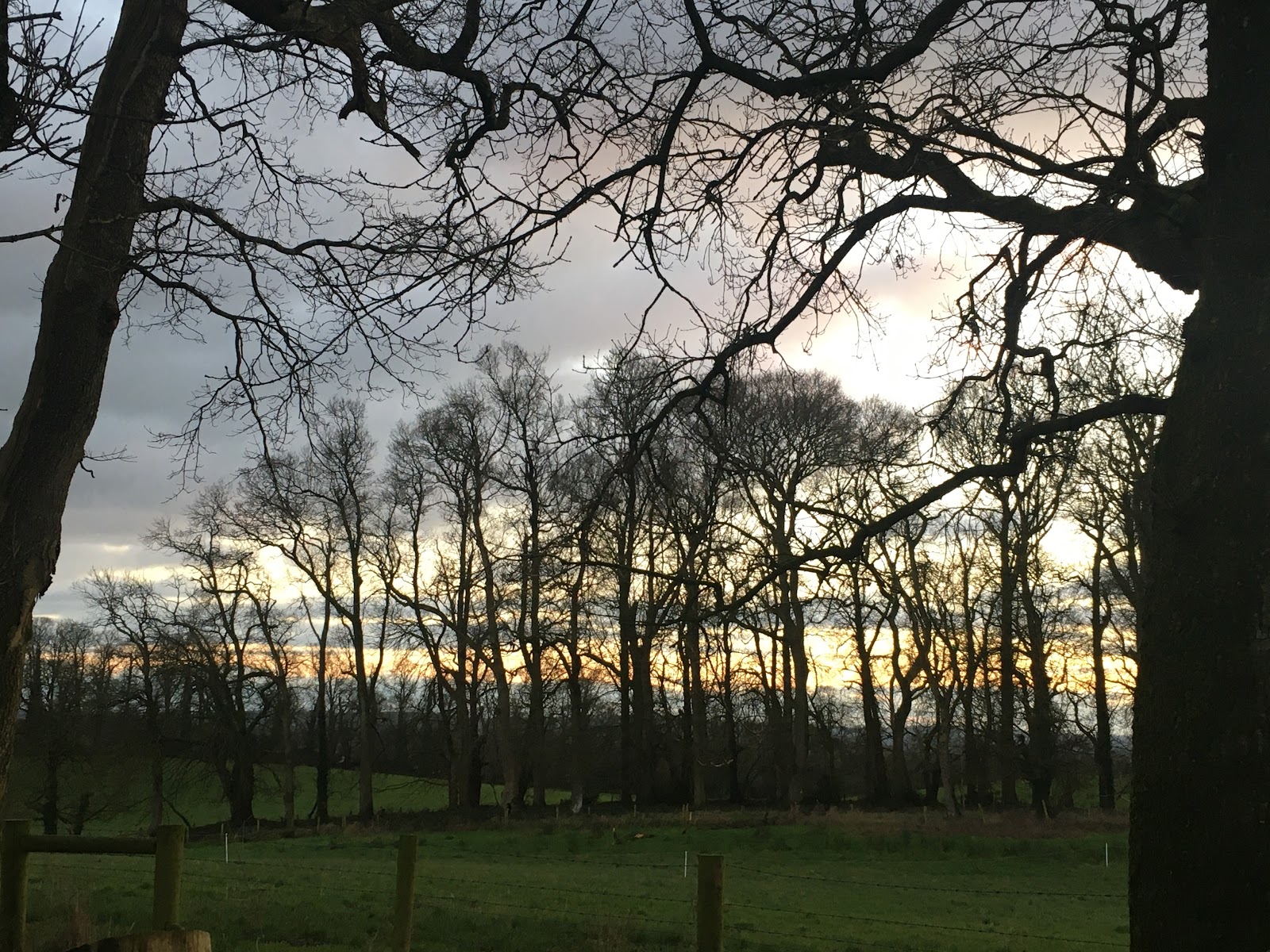
On my daily walks I’m noticing signs – not of spring, exactly, but perhaps of Eliot’s ‘midwinter spring’. I tend to walk ‘towards sundown’, when my day’s writing work is done, and I enjoy being able to stay out a little later each day, to say to the occasional person I meet, ‘Isn’t there a grand wee stretch in the evenings?’ The light in January always seems to have a particular quality, a promise of better days ahead.
It’s rather belated to wish readers a Happy New Year on the 13th day of the month perhaps, but given that January does seem to last for about seven weeks, that not all cultures celebrate New Year at this time, and that March was the official first month for hundreds of years, maybe I can get away with it.
You can get away with anything in January.
Thursday, 30 April 2020
Stories That May Never See the Light of Day By Tamsin Cooke
Twitter: @TamsinCooke1
Tuesday, 28 April 2020
The Book of Hopes - Clémentine Beauvais

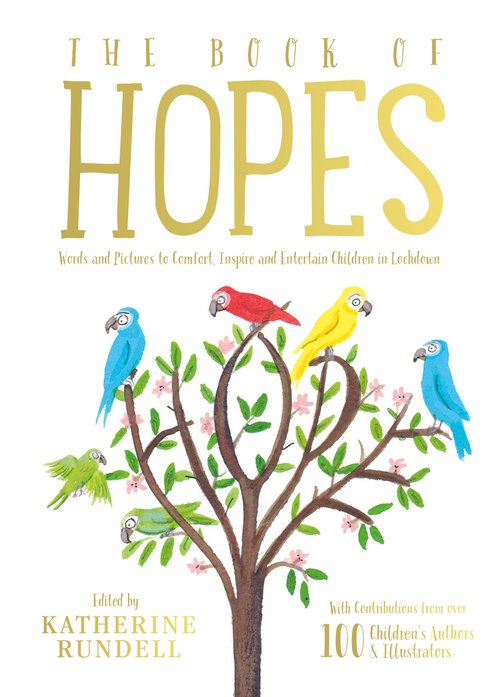
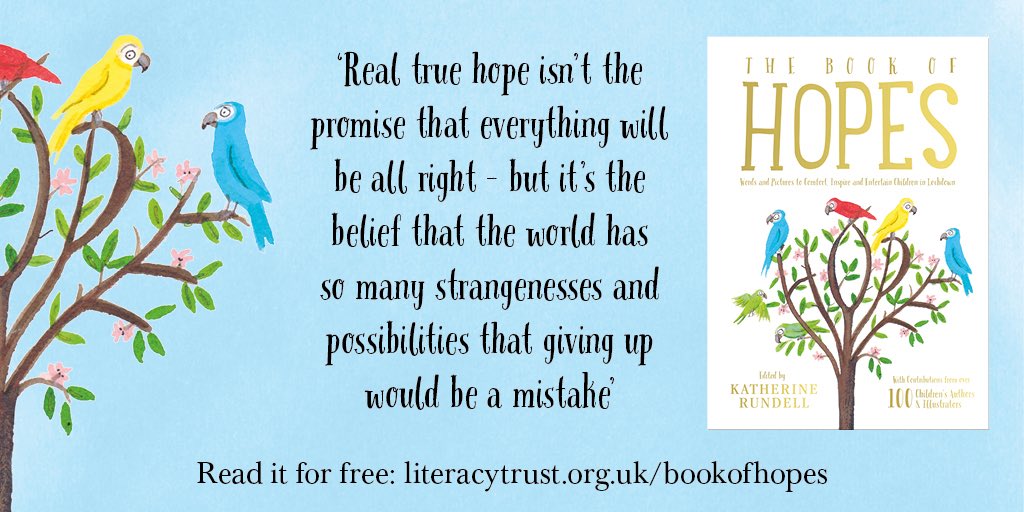
You've probably - hopefully - seen it everywhere on Twitterbookstagram: The Book of Hopes is Katherine Rundell's carefully-curated, free, beautiful response to lockdown. It's available on the National Literacy Trust website, and it's composed of over 100 contributions by children's authors and illustrators.