|
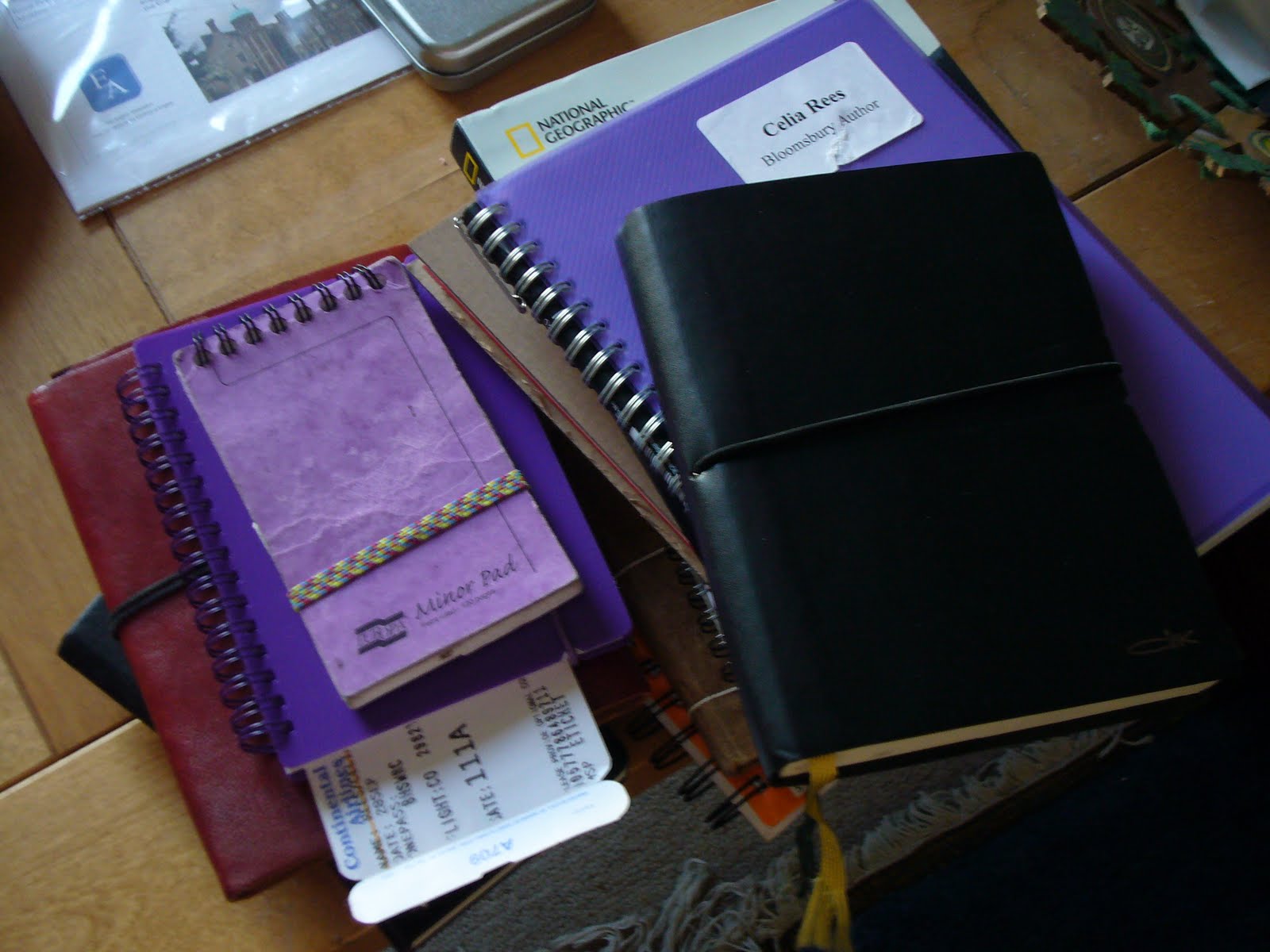
| Daniel Hahn, Melvin Burgess, Celia Rees |
The discussion was interesting (I hope for the audience, too) and wide ranging. At one point, Daniel asked us if there was anything that we thought we could not write about, any taboo subjects, any darkness too impenetrable? I found myself giving the stock Y.A. writer's answer about leaving the reader with hope, etc., etc.. Melvin disagreed. This livened the discussion considerably, and his response gave me cause to pause and food for thought. He outlined a thesis which took me right back to where I began as a YA writer and also made me think about how far we have travelled since then but how little ground we had gained.


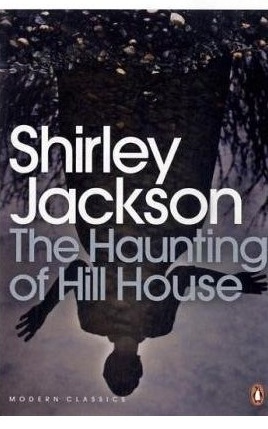
It is an accepted shibboleth ( like the one about 'hope') that ‘at one time’ there ‘wasn’t much written for teenagers’, ‘nothing available for them’.Of course, this is not true. Teenagers have always found things to read, books and authors they felt comfortable with, even if those books were not written specifically with them in mind. Books like George Orwell’s 1984 and Animal Farm, William Golding’s The Lord of the Flies, Harper Lee’s To Kill a Mocking Bird, J.D. Salinger’s The Catcher in the Rye, Shirley Jackson’s The Haunting of Hill House and The Lottery. And then there are the sic-fi/dystopian fiction writers: Ray Bradbury’s Fahrenheit 451, Philip K. Dick’s Do Androids Dream of Electric Sheep, John Wyndam’s The Day of the Triffids and The Chrysalids, J.G. Ballard’s The Drowned World and Empire of the Sun, John Christopher’s The Trouble with Grass.

Quite a considerable canon. I read a lot of these books when I was a teenager, back in a time when novels for teens were not supposed to exist. I don’t remember feeling deprived, or thinking I’d have to stop reading because there was ‘nothing for me’. I thoroughly enjoyed the books I discovered on the adult shelves of the library, finding them myself, or being directed to them by friends who liked the same books I did. Reading these books was a rite of passage. I found my mind stretched, my understanding deepened, my assumptions questioned and challenged, my imagination
fired. They weren’t writing for me particularly, but that didn’t matter, they were connecting with me on all sorts of different levels.

Melvin’s argument was that because these writers recognised no limits, there are no limits. I found myself agreeing with him and thinking that these books and these writers should be our benchmark. Perhaps we have compromised too far. In creating a specific Teen/Y.A. Lit. (although I still think that is important) we’ve wandered away from these writers who had the power to appeal to adults and teenagers alike. We have compromised, we’ve bowdlerised. We’ve listened to outside voices: gatekeepers telling us what is acceptable and unacceptable; Focus Groups and Target Readers; Publishers who tell us what the market wants, what it will tolerate.
 Compare some of the books and authors I’ve cited, especially in Gothic, Dystopian and Science Fiction, with what is on offer at the moment in these genre, and you will see exactly what I mean. Where is the depth and breadth of the vision, the resonance and relevance, the imaginative reach, the complexity of the realised worlds, the quality and power of the writing? It is a salutary lesson. Of course, teen readers can go and read these books, and they should, but that is not the point. It is not good enough to mine them, to take from them, we should be producing books that bear comparison.
 I’m taking a break from blogging for ABBA but I’ve been proud to be part of the blog and to have seen it go from strength to strength. I’ll certainly be visiting regularly in the future to read and to comment.
follow me on twitter @CeliaRees
Facebook Fan Page: https://www.facebook.com/theofficialceliareesfanpagewww.celiarees.com


 I agree with Nicola (do read her excellent post if you haven't already) all this publicity work we have to do can be a time sucking nuisance and it is hard to keep a balance. We need to get on with our real work, which is writing books, but there is always the fear that if we don't do anything, then our new book will sink like the proverbial stone and when we next go to our publisher they will say what they have always said, backed up now with stats from EPoS, the last one didn't sell, so low advance or no contract. Yes, doing our own publicity is a time consuming bind and we risk bugging the life out of people, but if we don't do it, who will? The Internet has given us the chance we never had before, the chance of doing it for ourselves.