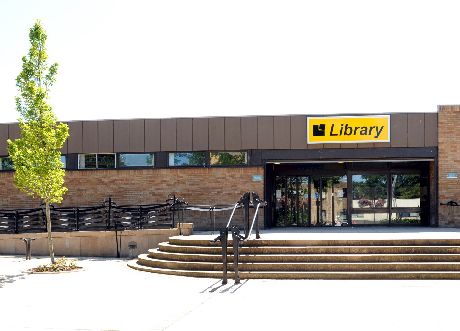
Once, the first thing you saw as you came through the door would be a large semicircular counter behind which librarians would stand, dealing with customers or ready to help while others buzzed about busily from shelf to customer to desk. Before long, you’d know them - librarians and library assistants: skilled; knowledgeable; professional - by sight, at least, and they would recognise you, and exchange a pleasant word.
The bookshelves were tall enough that you’d have to reach up to the top shelf, and they filled up the library and were packed with books, so tightly you’d need both hands to squeeze browsed unchoices back into their places; and every time you came, there would be new treasures hidden on those shelves - here a book you’d been longing to read; there another you didn’t know you were looking for until you found it.
The children’s section, too, was bursting with the new and the old. Brightly coloured cushions in animal shapes invited you in and made you welcome.
There was life there. Then the council made its plans.
“We’re improving things,” they said, as they ripped out the counter, leaving fade-marks on the carpet, and stuck up racks of battered DVDs: films you’d seen already, or didn’t want to.
 “We’re improving things,” they said, as they sent out redundancy notices, and hid the few remaining staff - or the volunteers who replaced them, or the temps brought in for the day from other branches - behind a small table round the corner.
“We’re improving things,” they said, as they tore out the tall shelves and wheeled in small ones, four-tiered trolleys which still seemed suddenly too roomy for the few books that remained.
“We’re improving things,” they said, as they inserted automatic tellers which check out your choices but never see your face or learn your name.
“We’re improving things,” they said, as they hollowed out our libraries and left them to rot from the inside.

Now, the first thing to meet your eye is the trolley of old stock for sale. You can visit, browse, borrow without a single human encounter; when someone deals with you, it may be someone you have never seen before, and never will again. The gaps in the shelves gape like those in uncared-for mouths with diseased gums, and the forward-facing books do nothing to hide the decay. The brightly-coloured cushions have faded and sagged out of shape, and will not be replaced.
And one day, they will tell you that no-one uses libraries any more; and they will not ask themselves why that might be; and they will close and lock the doors forever.
Remember this, when they tell you they are investing in the community, and in the future.
Remember this, when they talk of their commitment to education; to driving up standards; to literacy and reading levels.
Remember this, when they stand on your doorstep, smiling and asking for your vote.
The bookshelves were tall enough that you’d have to reach up to the top shelf, and they filled up the library and were packed with books, so tightly you’d need both hands to squeeze browsed unchoices back into their places; and every time you came, there would be new treasures hidden on those shelves - here a book you’d been longing to read; there another you didn’t know you were looking for until you found it.
The children’s section, too, was bursting with the new and the old. Brightly coloured cushions in animal shapes invited you in and made you welcome.
There was life there. Then the council made its plans.
“We’re improving things,” they said, as they ripped out the counter, leaving fade-marks on the carpet, and stuck up racks of battered DVDs: films you’d seen already, or didn’t want to.
 “We’re improving things,” they said, as they sent out redundancy notices, and hid the few remaining staff - or the volunteers who replaced them, or the temps brought in for the day from other branches - behind a small table round the corner.
“We’re improving things,” they said, as they tore out the tall shelves and wheeled in small ones, four-tiered trolleys which still seemed suddenly too roomy for the few books that remained.
“We’re improving things,” they said, as they inserted automatic tellers which check out your choices but never see your face or learn your name.
“We’re improving things,” they said, as they hollowed out our libraries and left them to rot from the inside.

Now, the first thing to meet your eye is the trolley of old stock for sale. You can visit, browse, borrow without a single human encounter; when someone deals with you, it may be someone you have never seen before, and never will again. The gaps in the shelves gape like those in uncared-for mouths with diseased gums, and the forward-facing books do nothing to hide the decay. The brightly-coloured cushions have faded and sagged out of shape, and will not be replaced.
And one day, they will tell you that no-one uses libraries any more; and they will not ask themselves why that might be; and they will close and lock the doors forever.
Remember this, when they tell you they are investing in the community, and in the future.
Remember this, when they talk of their commitment to education; to driving up standards; to literacy and reading levels.
Remember this, when they stand on your doorstep, smiling and asking for your vote.