

 |
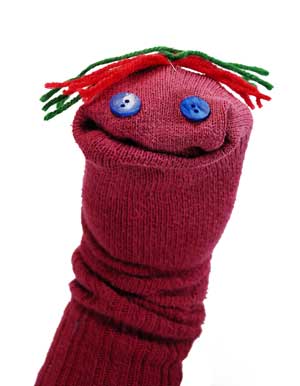
| Socks: Not just for feet? |
1) Create a bogus account on the site of your choice, preferably using a name which people will not link back to you. I expect you will need to place at least one order on Amazon as you can't write reviews otherwise, but that's hardly a problem in these days of 99p ebooks, is it?
2) Write a five star review of your book using this account: 'This is a masterpiece, like Stephen King only better, everyone should read this book, it changed my life' etc. (You could write a four star review if you wanted, to try to alleviate suspicion, but why risk bringing down your average?)
3) Get your family and friends to do the same, using real or pretend accounts depending on whether they can be linked back to you.
4) Repeat for every book you have written.
5) Quote these glowing reviews on Twitter, Facebook, your blog and anywhere else you think people might conceivably see them.
6) Start to believe your own hype.
Now, I'm not advocating any of that but I can kind of see how an author might be fooled into sticking their hand up a sock's bottom and wiggling it around a bit in the name of creating a buzz. Times are tough, sales might be hard to come by and word of mouth has to be kick-started somehow. What's the harm in adding a fake review here or there? Your work is worth it, right?
Wrong. In adding even one bogus review, an author devalues the whole user review system. Readers won't be able to tell which reviews are genuine and which aren't, so will discount the whole lot. In fact, some readers are already doing that, which is a real shame because the majority of reviews are genuine and honest, if not always flattering. Speaking personally, I wouldn't feel the same if I knew a percentage of the comments about my books were a lie (whether I manufactured them myself or not) - I'd feel like a fraud. But obviously not all authors feel like that or sock puppet accounts wouldn't exist for that purpose, and businesses built on the idea wouldn't be making money.
Some authors don't stop at writing their own reviews, though. For the dedicated sock puppeteer, there are extra steps you can take to ensure your books are well regarded. These are:
7) Look up the novels of your contemporaries. Give them one star reviews.
8) Pursue online reviewers who have dared to disparage your books. Question their credentials to hold an opinion and, while you're at it, their intelligence. Locate their other reviews and do your best to discredit those. Show them who the superior human being is.
9) Join online forums and talk about other writers in an unflattering way.
I wish I was making this up - sadly, all of the above has actually been done. I'm not going to name and shame anyone here (and it's not anyone from children's publishing, as far as I know) but if you want to know more, you could look up @jeremyduns on Twitter and follow the story there. The CWA has issued a statement about it and I expect more professional writing associations will do the same. Because it's bad enough that people are faking reviews, but panning other writers? Authors know how much an awful review stings - why selfishly inflict that on someone else?
I can't quite believe I'm writing this but it seems some people have forgotten the rules where reviews are concerned. So here's a reminder:
1) Never respond to a negative review (this goes for friends and family members too. Just don't do it)
2) Don't make up your own (Duh)
3) Don't write awful reviews of your peers' novels (Double duh)
But I don't need to tell you that, right?
No sock puppets were harmed in the making of this blog post

